
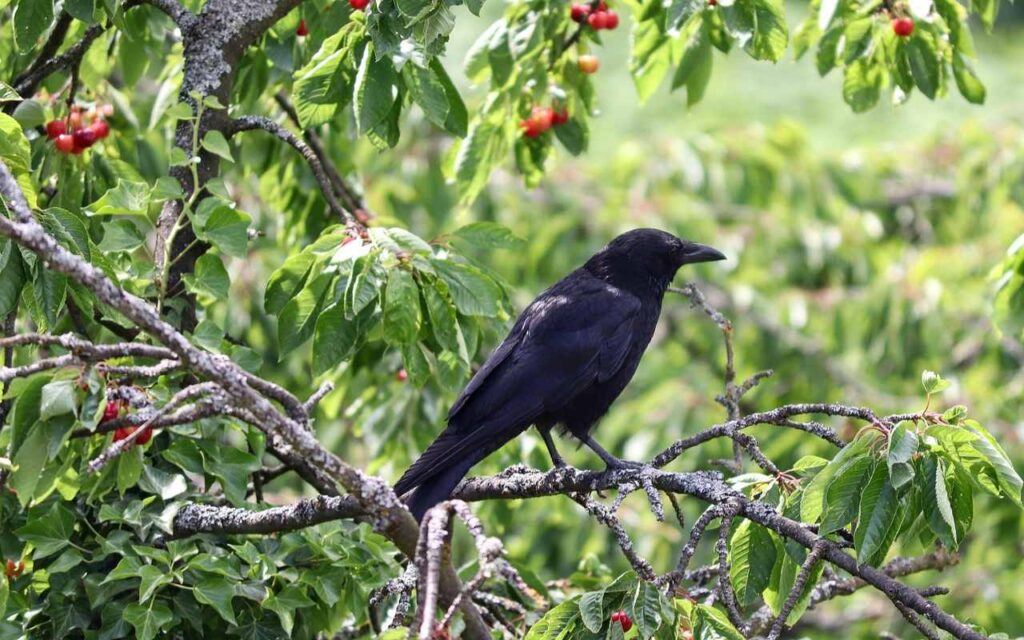
Fresh berries and homegrown fruit are some of the best rewards of a backyard garden, but birds often notice ripe crops before you do. If you want to know how to keep birds out of your backyard berries and fruit trees, simple barriers and smart garden strategies can help protect your harvest without harming wildlife.
Deploying independent physical boundaries ensures you block local pests from stripping your branches and bushes before you can pick them. This comprehensive guide breaks down the precise protective setups and alternative deterrent methods you need to outsmart hungry flocks and secure a massive seasonal harvest.
Quick Answer: What are the most effective ways to keep birds out of your backyard berries and fruit trees?
The three best methods are installing exclusion canopy netting over rigid box frameworks with weighted base anchors, deploying dynamic audio-visual scare deterrents like holographic flash tape, and setting up an alternative water diversion station.
Combining a structural physical barrier with erratic visual cues and dedicated off-site hydration areas successfully satisfies or redirects local flocks, keeping your harvest completely intact.
Why Managing Backyard Fruit Zones Beats Passive Scare Tactics
Many beginners struggle with crop damage because they expect a single plastic owl to defend an open backyard orchard. To become an elite grower, realize that a ripening fruit canopy is a high-yield biological target. A pest bird’s seasonal feeding pressure reveals three immediate clues:
- Crop Susceptibility: Sugar spikes in soft flesh attract American Robins and European Starlings from blocks away.
- Pressure Level: High flock numbers mean desperate birds will push through loose, unanchored netting configurations.
- Habituation Speed: Local species learn within 48 hours that stationary plastic decoys pose zero physical threat.
Securing your harvest completes your foundational backyard management program. If you are struggling with broad summer bird conflicts across your property, our comprehensive guides can help you troubleshoot heat-driven bird issues.
Your Backyard Fruit Defense Guide
This crop defense summary chart shrinks our complete summer orchard strategy into a single scannable cheat sheet. Use it to instantly match your specific fruit varieties against their primary avian pests and optimized barrier controls:
| Fruit Crop Type | Primary Avian Pests | Optimized Structural Barrier | Deployment Timeline |
|---|---|---|---|
| Highbush Blueberries | American Robins, Cedar Waxwings | Box-frame woven HDPE netting | 2 weeks before color break |
| Sweet & Sour Cherries | European Starlings, House Finches | Complete drape netting with base anchor | Early June shell-hardening stage |
| Honeycrisp Apples | Blue Jays, Common Grackles | Individual organza fruit bags | Post-thinning fruitlet stage |
| Backyard Raspberries | Gray Catbirds, Song Sparrows | Low-profile tunnel netting hoops | First green berry formation |
| Wine Grapes | Baltimore Orioles, European Starlings | Side-panel zone netting webs | Veraison (onset of grape ripening) |
If you are dealing with aggressive high-canopy attacks on your stone-fruit crops this season, follow our dedicated checklist on How to Stop Birds From Eating Your Cherries to build rigid overhead suspended framework cages.
For growers managing low-stature highbush or lowbush rows along the lawn perimeter, skip general tree tactics and check out our specialized field manual on How to Stop Birds From Eating Your Blueberries to anchor your ground perimeters securely flat to the soil.
If you are managing trailing, low-profile perennial patches that fruit directly against your mulch or straw layers, generic landscape netting will fail because foraging sparrows will simply walk underneath the loose edges.
Read our complete ground-crop manual on How to Stop Birds From Eating Your Strawberries to learn how to construct drop-on cedar frames and anchor your floor perimeters cleanly against the dirt.
Decoding the Three Primary Crop Protection Filters
1. Exclusion Canopy Netting: Frameworks vs. Direct Draping
How you secure your physical netting footprint completely determines whether your birds get excluded or trapped.
- Rigid Box Frameworks: Building a simple frame using PVC conduit or wood prevents netting from touching the outer leaves. This structural blueprint completely stops birds from landing on the mesh and pecking fruit right through the holes.
- The Weighted Base Anchor: Direct draping is acceptable only if you gather the bottom net edges tightly around the tree trunk or pin them to the soil using landscape staples. Leaving loose openings at the bottom creates a natural funnel that seals birds inside your tree canopy.
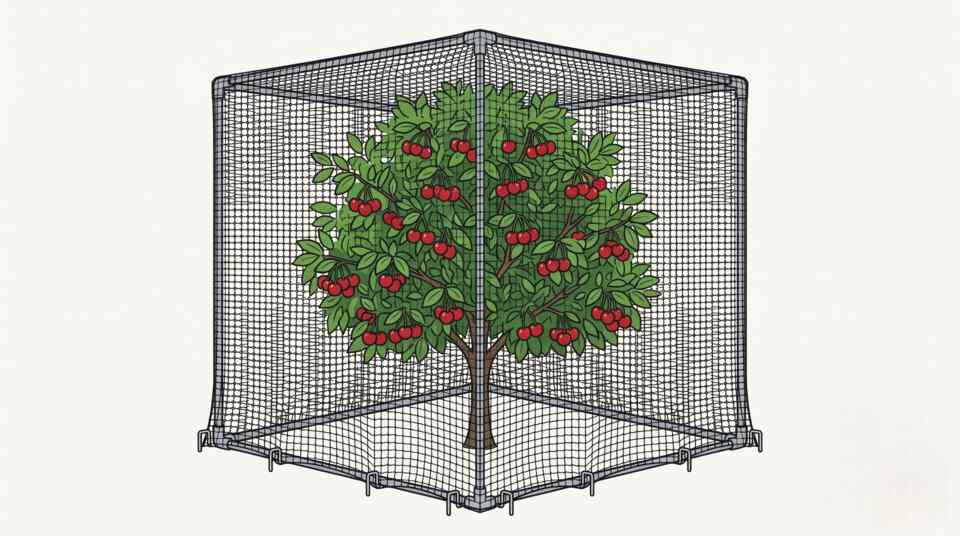
If you spot birds breaching your defenses, ignore the mesh size. If they are entering from the bottom, your ground anchors are missing. If they are pecking fruit from the outside edges, your net lacks a rigid support framework.
2. Audio-Visual Scare Deterrents: Flash Tape vs. Motion Activation
When deploying visual scare tactics, static elements fail because birds adapt to constant patterns.
- Holographic Flash Tape: Mylar ribbon must hang loosely from outer branches to catch the slightest summer breeze. The sharp, erratic flashing reflections and loud metallic crinkling noise disrupt a bird’s flight calculations.
- The Motion-Activated Pivot: Electronic hawk kites and automated sprayers must be physically relocated to a new orchard position every two days.
If you prefer to make your own organic sensory deterrent sprays at home instead of using hardware, check out our guide on How to Make Natural Bird Repellents to clear branches safely.
3. Structural Yard Substrate: Alternative Water Diversion
Ripening summer fruit is often targeted purely as a survival hydration source during dry Ontario heat waves.
- The Dedicated Diversion Station: Installing a clean, moving bird bath with a solar fountain pump on the opposite side of your property draws birds away from fruit zones. Providing a reliable water source satisfies their thirst, lowering pest pressure on your berry patches. For a full breakdown of hydration strategies, read our guide on How to Keep Birds Hydrated During Summer.
- The Shielded Crop Perimeter: Planting native trap crops like wild elderberries or serviceberries provides an easy, alternative food layer that satisfies native birds. To select the ultimate bird-approved perimeter shield, view our complete checklist of Native Plants for Birds.
What Are the Most Common Fruit Protection Illusions for Beginners?
Missing sudden seasonal shifts will completely corrupt your backyard yield. Getting tricked by temporary bird habits is one of the most widespread causes of Beginner Bird Identification Mistakes. Use these three rules to spot when your orchard defenses need adjustment:
The Early Ripening Canopy Illusion
Unseasonably warm June weather triggers early sugar formation in berries before the skin changes color. This environmental shift brings in hungry birds to peck at green fruit long before you plan to deploy your canopy netting.
- The Correction: Never wait for full color changes to protect your crop. Look past the green skin color and install your physical exclusion nets the moment berries reach their full physical size.
The Monofilament Entanglement Trap
Cheap, loose monofilament black plastic netting snags bird wings and feet easily. A panicked bird will thrash around in the loose mesh, creating a dangerous tangle that injures wildlife and ruins your orchard layout.
- The Correction: Toss out loose plastic mesh and upgrade to 3/4-inch knitted High-Density Polyethylene (HDPE) netting. This premium woven material stays highly visible to birds, stands up to intense sun, and blocks pests cleanly without tangling wings.
The High-Canopy Singing Anomaly
During early summer, robins will perch on top of your apple or cherry trees to sing territorial songs. This behavior can make you think your entire tree is under an immediate feeding attack, causing you to stress over an imaginary crisis.
- The Correction: Look past the high perching spot and verify the bird’s active behavior. If the robin is sitting exposed on a top twig singing, it is defending territory. It only turns into a feeding threat when it slips silently down into the inner leaf canopy where the fruit hides.
Case Study: The Niagara Vineyard Starling Blitz
The most instructive case study in crop protection involves managing migratory starling flocks in southern Ontario grape regions. These birds move in massive groups containing thousands of individuals, which completely overwhelms basic backyard garden tape.
Field management data published by the Ontario Ministry of Agriculture, Food and Rural Affairs (OMAFRA) proves that matching protection types to bird flock traits solves this pressure puzzle without using harmful controls.
This is especially true for property owners managing heavy populations detailed in our profile on European Starlings Eating Backyards paths:
- The Pack Attack: Migratory starlings use pure numbers to push down onto loose netting webs, stretching cheap mesh until it breaks so they can reach the grapes below.
- The Winning Strategy: Growers must use heavy-duty side-panel netting pulled perfectly taut and clipped securely with specialized net clips. This setup creates an impenetrable structural wall that completely deflects heavy flock pressure.
Understanding this commercial protection rule stops you from wasting money on flimsy, unanchored netting brands.
The Science Behind Crop Depredation
Modern crop protection relies heavily on localized foraging ecology data. Field testing confirms that bird feeding choices are locked tightly into specific sensory thresholds and physical limits:
- Visual Sugar Detection: A laboratory foraging study published in the Proceedings of the Royal Society B demonstrates that experienced adult songbirds actively utilize ultraviolet vision to detect UV-reflecting berry skins when hunting for fruit. This specialized vision allows them to track peak sugar levels from a distance, which is why your netting density must provide a complete physical block rather than a simple visual cover to protect yields.
- Deterrent Adaptation Speeds: Avian deterrence testing published through MDPI Open Access Agriculture demonstrates that while auditory and visual scaring methods trigger immediate predator avoidance reactions, birds habituate to constant patterns quickly. This rapid adaptation underpins why you must physically relocate scarecrow fixtures every 48 hours to preserve a functional threat profile.
- Chemical Repellent Irritation: Commercial pest management research hosted by the Michigan State University Extension Service reveals that non-lethal chemical sprays utilizing food-grade methyl anthranilate function as an immediate contact irritant to a bird’s sensory receptors. Unlike static scare flags, birds do not learn to ignore this biological stimulus, providing a reliable alternative layer for protecting vulnerable tree canopies.
Frequently Asked Questions: Keeping Birds Out of Backyard Fruit
Will Shiny Hanging CD Discs Keep Birds Away Permanently?
No. Frugivorous birds will avoid hanging compact discs for 24 to 48 hours due to the sudden flashing reflections. However, once they realize the objects are fixed and harmless, they will fly right past them. The official Audubon Birding Advice Hub notes that backyard songbird groups adjust to harmless visual anomalies quickly when a rich food source is available, making static visual objects ineffective over long periods.
What Net Mesh Size Is Safest for Protecting Wildlife?
Use a strict 3/4-inch (19mm) or smaller knitted mesh size. This size stops small songbirds like finches and waxwings from squeezing their heads through the holes, completely preventing dangerous neck trapping while blocking pests from entering your crop canopy.
Does Painting Fake Eyes on Balloons Stop Bird Attacks?
Yes, but only if the balloons bob erratically on long strings. The shifting eye shapes mimic real predators like hawks. If the balloons hang completely still in dead air, birds will ignore them entirely within two days.
Conclusion: Mastering Your Summer Crop Routine
Mapping your yard’s protection layers gives you an unbreakable crop defense baseline that completely bypasses the confusion of changing bird habits. Netting data stays clear and useful through heavy wind, sudden heat waves, and intense summer bird migrations.
Building orchard fluency requires practicing your seasonal setup routine. Install your rigid support frameworks first, lock down your weighted bottom net anchors second, and deploy your moving visual deterrents third. With steady practice, this routine protects your backyard berry patches and fruit trees year after year.
Pairing these protection habits with our Backyard Birds Checklist ensures your property balances bird conservation with a great home harvest. You can easily cross-check these yard locations against our comprehensive Backyard Bird Identification Guide and combine them with your acoustic skills at How to Identify Birds by Song and structural profiles at Bird Identification by Shape to run an airtight backyard layout.